
Discovering pests in your home can trigger that immediate urge to handle the problem yourself. After all, a quick trip to the hardware store for a spray or trap seems faster and cheaper than calling in reinforcements. But not every pest situation is a DIY project, and knowing when to call a pest control professional can save you time, money, and significant stress down the road. The key is recognizing the warning signs early and understanding when expert intervention becomes the smartest choice for protecting your home and family.
When to Call a Pest Control Professional for Persistent Problems
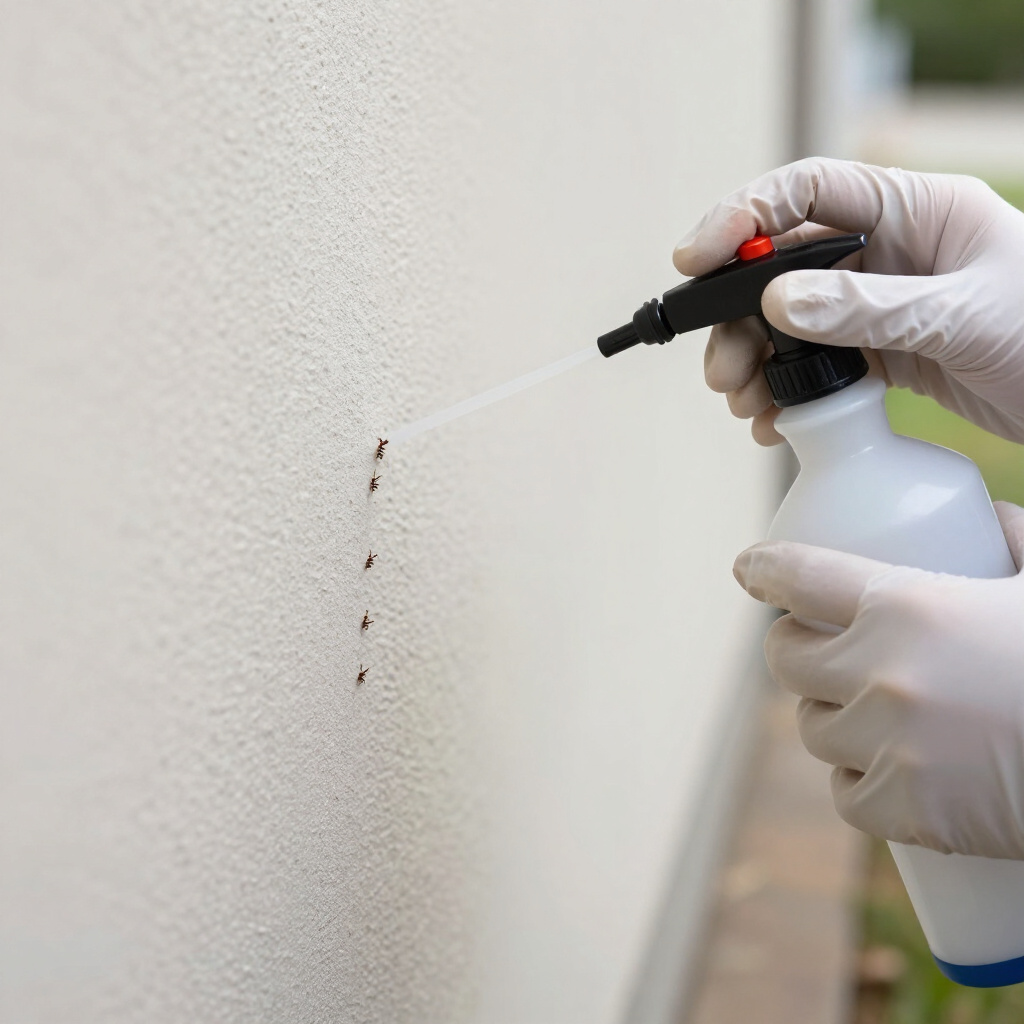
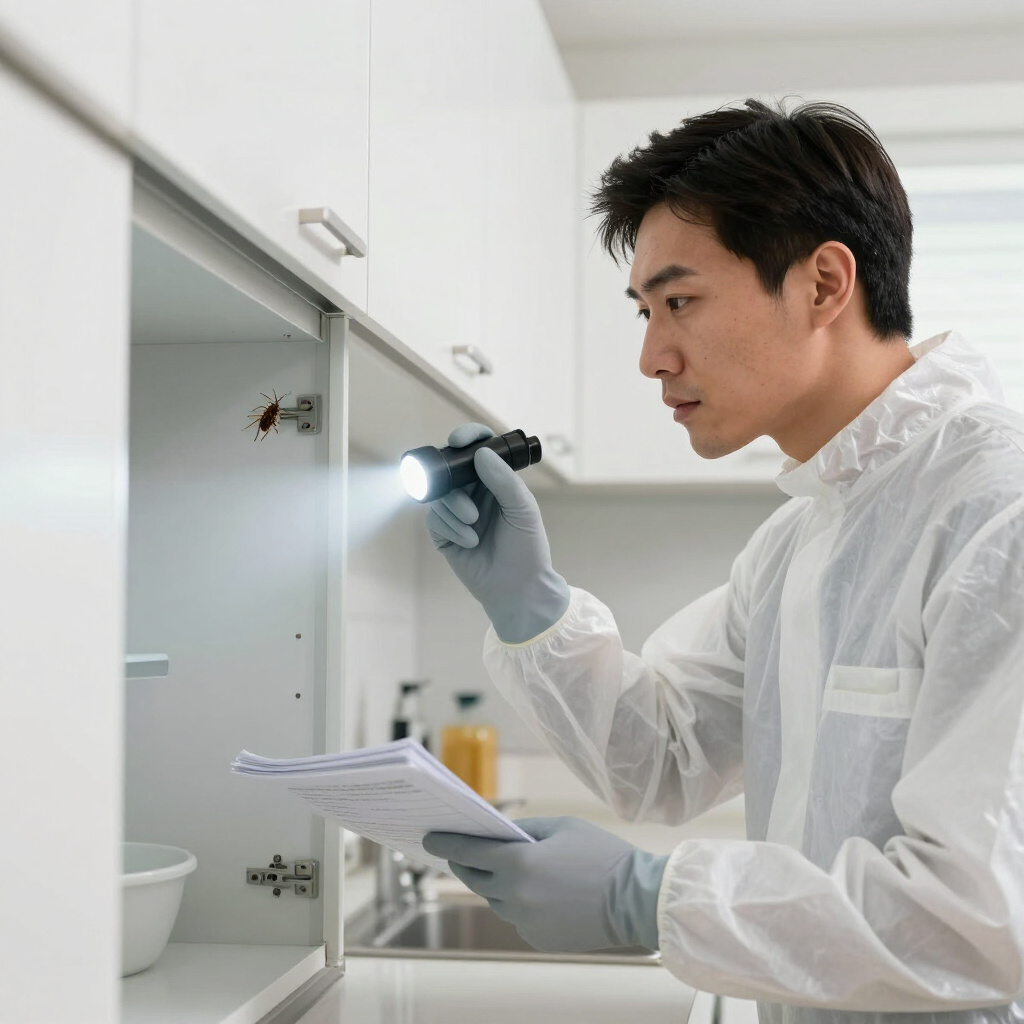
The most obvious signal that you need professional help is persistence. If you've set traps, applied store-bought treatments, and sealed obvious entry points—but the pests keep returning—it's time to escalate. Recurring infestations typically indicate a deeper issue that surface-level solutions cannot address. Pests like cockroaches, ants, and rodents often establish hidden nests in wall voids, crawl spaces, or beneath foundations where consumer products simply cannot reach.
A pest control professional brings specialized equipment and commercial-grade treatments designed to eliminate colonies at their source, not just the individuals you see. They also understand pest behavior patterns and can identify why your home attracts repeat visitors. Sometimes the issue stems from moisture problems, structural vulnerabilities, or neighboring infestations that require a comprehensive strategy rather than a single product application.
Additionally, professionals can distinguish between similar-looking pests that demand different approaches. What appears to be a simple ant problem might actually involve multiple species with varying nesting habits and food preferences. Misidentification leads to wasted effort and prolonged infestations, making expert assessment invaluable when your own efforts fall short.
Situations Requiring Immediate Professional Intervention
Certain scenarios demand calling a pest control professional without delay. Health and safety risks top this list. Stinging insects like wasps, hornets, and bees building nests near entryways or in high-traffic areas pose genuine danger, especially for individuals with allergies. Attempting removal without proper protective equipment and techniques can result in serious injury.
Wildlife intrusions also warrant professional handling. Raccoons, squirrels, bats, and possums can carry diseases like rabies and histoplasmosis, and their removal often involves legal considerations regarding protected species. Professionals know how to humanely exclude these animals while complying with local regulations and preventing re-entry through proper exclusion work.
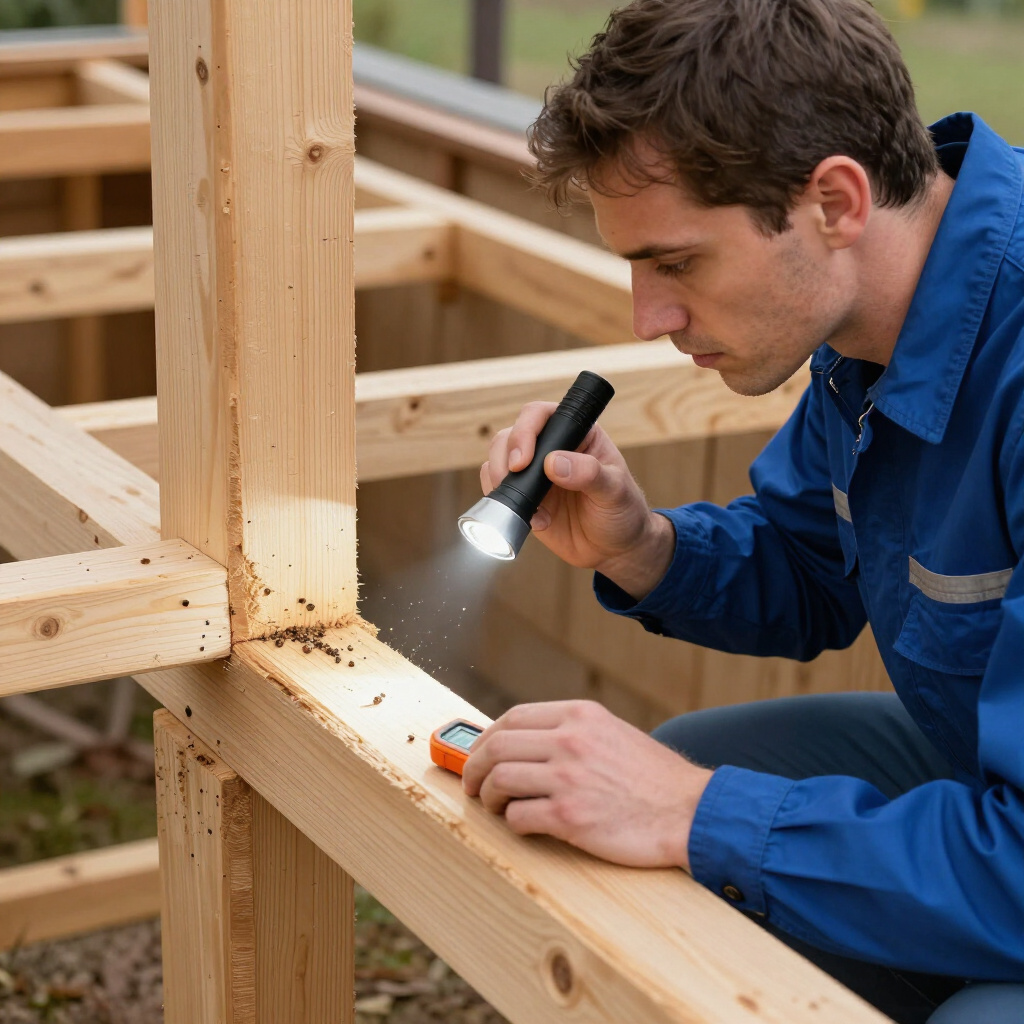
Termite activity represents another urgent situation. These silent destroyers compromise structural integrity long before visible damage appears. If you notice mud tubes along foundation walls, hollow-sounding wood, or discarded wings near windowsills, contacting a professional immediately can prevent thousands of dollars in repair costs. Termite control requires specialized knowledge of colony location, treatment methods, and ongoing monitoring that simply cannot be replicated with DIY approaches.
Finally, large-scale infestations of any pest—whether bed bugs, fleas, or rodents—quickly overwhelm homeowner capabilities. When you spot multiple pests daily, find droppings in several areas, or detect persistent odors, the problem has likely grown beyond what retail products can manage effectively.
Key Tips for Choosing and Working With a Professional
Finding the right pest control professional makes all the difference in achieving lasting results. Start by seeking licensed, insured providers with solid local reputations. Ask about their experience with your specific pest problem and request a detailed explanation of their proposed treatment plan, including what products they use and any necessary preparations on your part.
Be wary of companies offering quotes without inspection or pushing long-term contracts before demonstrating results. Reputable professionals conduct thorough assessments, explain their findings clearly, and tailor solutions to your situation rather than applying one-size-fits-all treatments.
Before service begins, discuss prevention strategies you can implement alongside professional treatment. Simple measures like maintaining proper sanitation, eliminating standing water, storing food in sealed containers, and trimming vegetation away from your home's exterior significantly enhance treatment effectiveness and reduce future pest pressure.
Ask about follow-up protocols and guarantees. Quality pest control professionals stand behind their work with revisit policies if pests persist after treatment. They should also provide documentation of services performed and recommendations for ongoing monitoring.
Communication matters throughout the process. A trustworthy professional answers your questions about safety concerns, especially regarding children, pets, or sensitive individuals in your household. They explain when it's safe to re-enter treated areas and what results you should realistically expect and when.
Final Thoughts
Knowing when to call a pest control professional comes down to honestly assessing the situation's scope, risk level, and your own success with previous efforts. Minor, isolated incidents often resolve with diligent DIY methods, but persistent, dangerous, or widespread problems require expertise that only trained professionals provide. The investment in professional service frequently proves more economical than repeated failed attempts with consumer products, not to mention the peace of mind that comes from knowing the job was done thoroughly and correctly. Trust your instincts—when pests compromise your comfort, health, or property, reaching out to qualified experts protects what matters most.