

Termites are often called "silent destroyers" for good reason. These wood-eating insects can cause extensive damage to your home before you ever realize they've moved in. Unlike other pests that announce their presence with bites, noises, or visible droppings, termites work quietly behind walls, under floors, and within wooden structures. Knowing the early warning signs can save you thousands of dollars in repairs and protect the structural integrity of your biggest investment. Here's what every homeowner should watch for.
Signs You May Have Termites in Your Home
The first step in protecting your property is recognizing the subtle clues termites leave behind. Different termite species exhibit different behaviors, but several warning signs apply across the board.
Mud tubes on exterior walls are one of the most telltale indicators of subterranean termites. These pencil-thin tunnels made of soil and wood particles allow termites to travel between their underground colony and their food source while staying protected from dry air and predators. Check your foundation, crawl spaces, and any concrete or masonry that contacts wood. Break open a tube—if active termites are present, you'll see small white or cream-colored workers inside.
Hollow-sounding wood should raise immediate concern. Tap on baseboards, window sills, door frames, and wooden flooring with the handle of a screwdriver. Solid wood produces a dull thud; damaged wood sounds hollow or papery. Termites consume wood from the inside out, leaving a thin veneer of paint or wood grain that masks the destruction beneath.
Discarded wings near windowsills and doors signal a termite swarm has occurred. Reproductive termites, called swarmers, emerge in spring to mate and establish new colonies. After their brief flight, they shed their wings in piles that resemble fish scales. Finding these wings indoors is a strong indication that a colony exists within or immediately adjacent to your home.
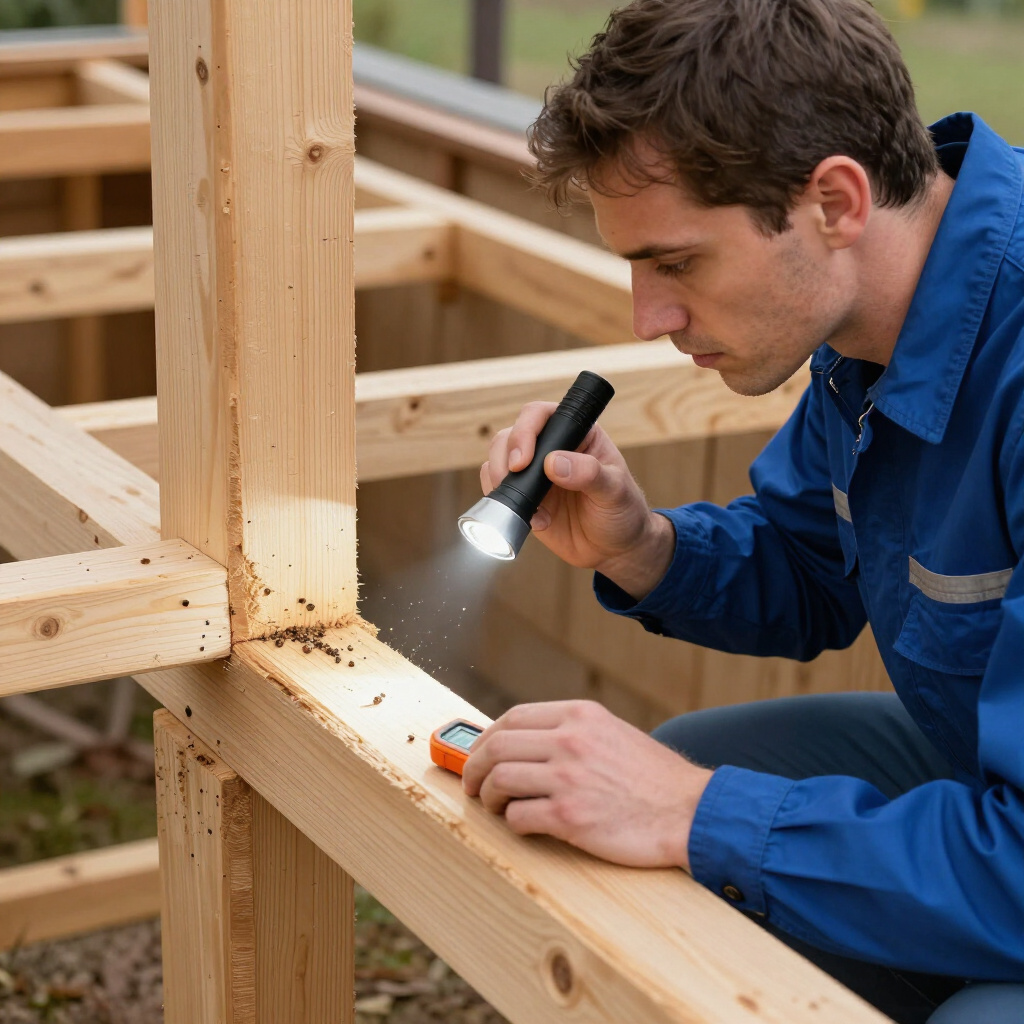
Frass, or termite droppings, resembles small piles of sawdust or coffee grounds. Drywood termites push their fecal pellets out of tiny kick holes in wood surfaces, creating these distinctive accumulations. Unlike subterranean termites, drywood species don't require soil contact and can infest any exposed wood in your home.
Bubbling or peeling paint that mimics water damage often indicates moisture from termite activity beneath the surface. If you notice this pattern without an obvious plumbing leak, termites may be introducing moisture into the wood as they tunnel and feed.
Structural and Behavioral Indicators to Monitor
Beyond the visible signs, certain structural changes and environmental conditions warrant closer inspection. Doors and windows that suddenly become difficult to open or close may indicate warping from termite-damaged frames. Floors that feel spongy, sag, or buckle underfoot suggest compromised subflooring or joists.
Your home's surroundings also provide clues. Wood-to-soil contact creates a direct highway for subterranean termites. Firewood stacked against the house, wooden fence posts buried in soil, and mulch piled against the foundation all increase risk. Excess moisture from poor drainage, leaking gutters, or plumbing issues attracts termites and supports colony survival.
Listen carefully in quiet moments. While termites are generally silent, heavy infestations in walls may produce a faint clicking or rustling sound as soldiers bang their heads to signal danger to the colony.
Key Tips for Early Detection and Prevention
Regular inspection practices dramatically improve your chances of catching termites before catastrophic damage occurs. Schedule annual professional inspections, but also conduct your own quarterly checks of vulnerable areas. Use a flashlight to examine crawl spaces, attics, basements, and garages where termite activity often begins unnoticed.
Take preventive action to make your property less inviting. Maintain a six-inch gap between soil and any wood siding or structural elements. Divert water away from your foundation with proper grading and functioning gutters. Store firewood and lumber at least twenty feet from your home and elevated off the ground. Choose cellulose-free mulch alternatives like rubber or gravel near the foundation.
Consider proactive termite monitoring systems, especially if your neighbors have experienced infestations or if your region has a history of termite problems. Bait stations installed around your property perimeter can detect activity early and gradually eliminate foraging colonies.
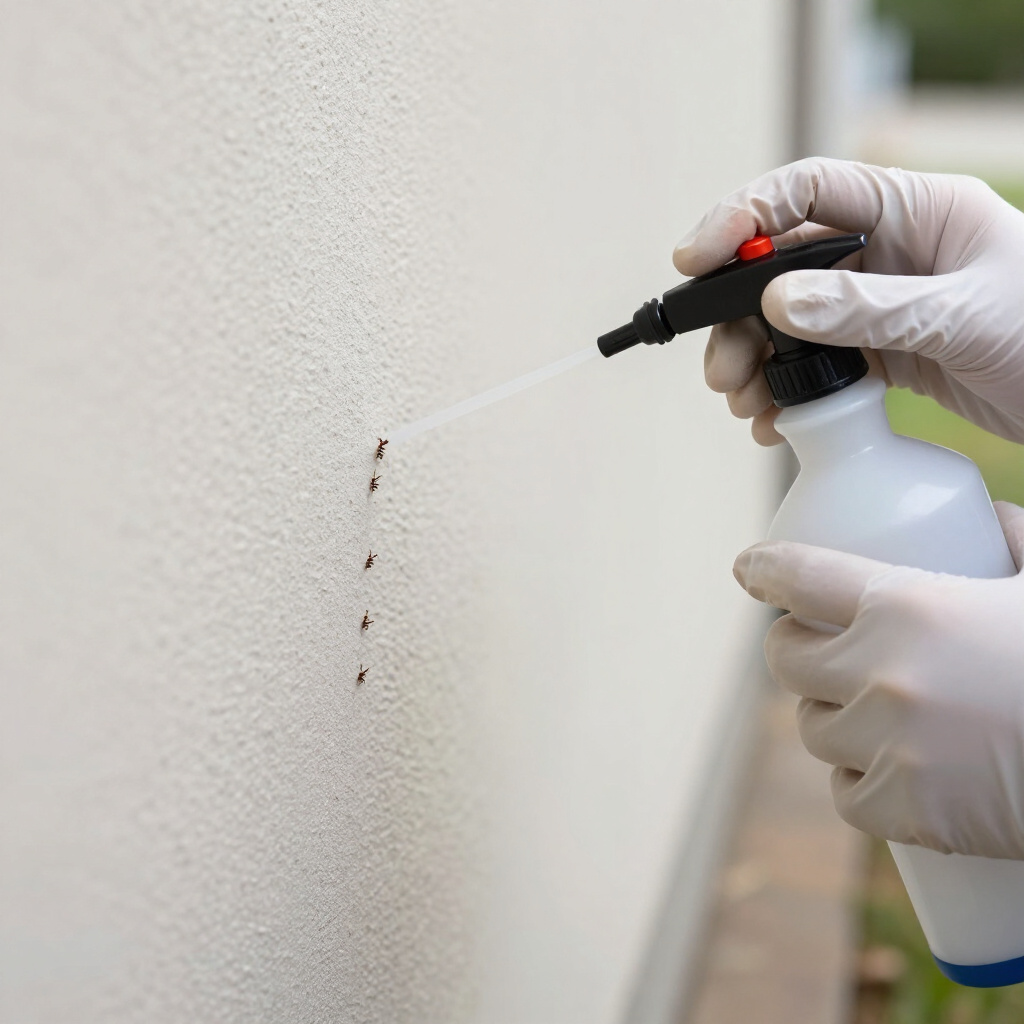
If you discover any signs of termites, resist the urge to treat the problem yourself. Over-the-counter sprays and spot treatments typically address only surface activity while driving the colony deeper into hiding. Professional pest control technicians have access to specialized tools like moisture meters, thermal imaging cameras, and borescopes that reveal hidden infestations. They can also implement comprehensive treatment plans using liquid barriers, bait systems, or fumigation depending on your specific situation and termite species.
Final Thoughts
Recognizing signs you may have termites empowers you to act before minor activity becomes major destruction. The financial and emotional toll of extensive termite damage far exceeds the cost of regular inspections and preventive measures. Trust your observations—unexplained structural changes, mysterious debris, or unusual wood conditions deserve prompt professional evaluation. With vigilance and timely intervention, you can keep these silent destroyers from making your home their own.