
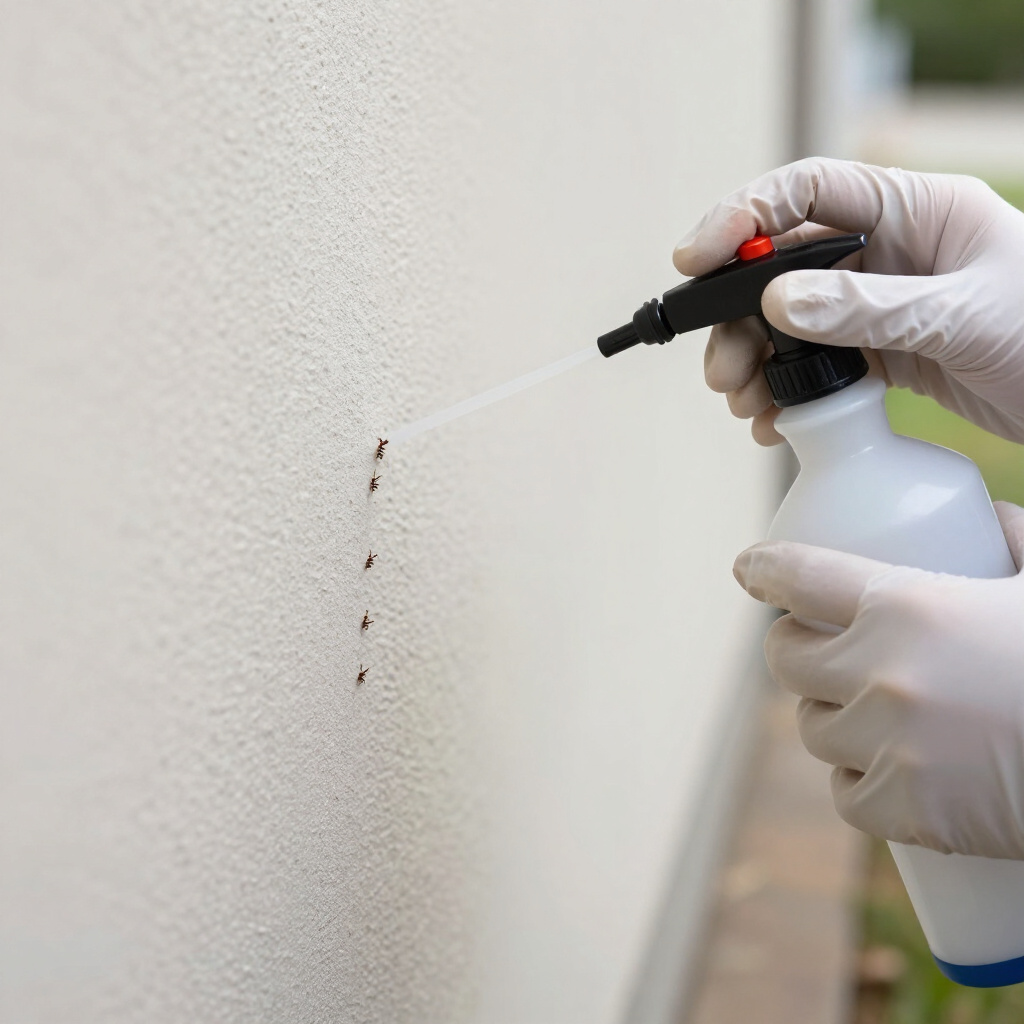


Keeping your home pest-free isn't a one-time task—it's a year-round commitment that changes with the seasons. Each time of year brings different pests, different behaviors, and different vulnerabilities in your home's defenses. A proactive seasonal pest control checklist helps you stay ahead of infestations before they start, saving you stress, money, and the discomfort of unwanted guests in your living space.
Spring Pest Control Checklist: Awakening and Entry Points
As temperatures rise, pests emerge from their winter hiding spots and begin searching for food, water, and new nesting sites. This is one of the most critical times to establish your seasonal pest control routine.
Start with a thorough exterior inspection. Walk around your home and examine the foundation, siding, and roofline for cracks, gaps, or damage that developed during winter freeze-thaw cycles. Seal any openings larger than a quarter-inch—mice can squeeze through surprisingly small spaces, and insects need even less room.
Clean your gutters and downspouts. Clogged gutters create standing water that attracts mosquitoes and provides moisture that draws carpenter ants and termites. While you're at it, trim tree branches and shrubs so they don't touch your house; these act as highways for ants, rodents, and other pests.
Inside, focus on moisture control. Check under sinks, around appliances, and in basements for leaks. Spring humidity can turn minor moisture issues into major pest attractants. Store pantry items in sealed containers and clean up any crumbs or spills promptly, as emerging ants and pantry pests are actively foraging.
Summer Pest Control Checklist: Peak Activity and Outdoor Threats
Summer brings the highest pest activity of the year. Your seasonal pest control checklist should shift to managing active populations and protecting your outdoor living areas.
Mosquito prevention becomes paramount. Eliminate all standing water sources—bird baths, pet bowls, flower pot saucers, and kiddie pools should be refreshed every few days. Consider treating standing water features with mosquito dunks containing Bti, a natural larvicide. For outdoor gatherings, position fans on patios; mosquitoes are weak flyers and struggle against air currents.
Ant trails and wasp nests demand attention. Follow ant trails to locate entry points and treat them with appropriate baits or barriers. Inspect eaves, overhangs, and sheltered spots for early wasp or hornet nest construction—the smaller the nest, the easier and safer it is to remove.
Don't overlook your garbage and recycling areas. Use bins with tight-fitting lids, clean them regularly, and keep them as far from your house as practical. Summer heat accelerates decomposition and intensifies odors that attract flies, rats, and raccoons from surprising distances.
Finally, inspect window screens and door sweeps for damage. These simple barriers prevent countless flying insects from entering your cooled interior spaces.
Fall Pest Control Checklist: The Invasion Season
When temperatures drop, pests begin seeking winter shelter—and your warm home looks inviting. Fall is arguably the most important season for defensive pest-proofing.
Revisit all those entry points you sealed in spring. Temperature fluctuations may have created new gaps, and pests are now highly motivated to find them. Pay special attention to areas where utilities enter your home, gaps around windows and doors, and the space beneath garage doors. Weatherstripping and door sweeps often need replacement after summer wear.
Rodent proofing takes center stage. Install metal mesh over vents and chimney openings. Check attic vents for damage. Inside, declutter storage areas where mice and rats could nest, and listen for scratching sounds in walls or ceilings during quiet evening hours.
Store firewood at least twenty feet from your home and five inches off the ground. Woodpiles harbor termites, carpenter ants, and rodents, and stacking wood against your house creates a direct bridge for pests to enter. Similarly, rake leaves away from foundations and dispose of garden debris that could shelter overwintering insects.
Bring in only what you need from outdoor storage. Inspect potted plants, holiday decorations, and stored items before moving them indoors—stink bugs, boxelder bugs, and spiders often hitchhike inside this way.
Winter Pest Control Checklist: Hidden Activity and Preparation
Winter might seem like a pest-free time, but many problems persist quietly out of sight. Your seasonal pest control checklist should focus on detection, ongoing monitoring, and preparation for the year ahead.
Continue monitoring for rodents. Mice and rats that entered in fall are now established and actively breeding indoors. Look for droppings, gnaw marks, and greasy rub marks along baseboards. Set traps in attics, basements, and garage areas if you suspect activity, and address any signs immediately—populations grow quickly in heated indoor environments.
Maintain vigilance against pantry pests. With less outdoor foraging available, stored product insects like Indian meal moths and flour beetles can thrive in undisturbed cabinets. Rotate dry goods, inspect packages for webbing or larvae, and keep susceptible items in airtight glass or thick plastic containers.
Use the slower season to schedule professional inspections. Pest control professionals often have more flexible winter scheduling, and they can identify vulnerabilities you might miss. Termite inspectors can access crawl spaces more comfortably, and their findings help you plan spring repairs or treatments.
This is also ideal time for deep cleaning in overlooked areas—behind appliances, inside seldom-used cabinets, and in storage spaces. Removing accumulated debris eliminates hiding spots and food sources that could sustain pest populations through to spring.
Key Tips for Every Season
Some principles of seasonal pest control remain constant regardless of what the calendar shows. Consistency matters more than intensity—small, regular efforts prevent the accumulation of conditions that invite serious infestations.
Keep your home dry. Moisture attracts more pest species than almost any other factor. Fix leaks promptly, use dehumidifiers in damp basements, and ensure proper ventilation in bathrooms, kitchens, and laundry areas. Even condensation on pipes can sustain silverfish, cockroaches, and other moisture-dependent pests.
Practice good sanitation without becoming obsessive. Eliminate accessible food sources, but understand that completely sterile environments aren't necessary or achievable. Focus on the critical areas: kitchens nightly, pet feeding stations, and garbage storage areas.
Know when to call professionals. DIY efforts handle many routine situations, but certain scenarios warrant expert intervention: recurring infestations despite your best efforts, stinging insect nests in dangerous locations, any suspected termite activity, and rodent problems that persist beyond simple trapping. Professionals bring specialized tools, targeted treatments, and trained observation skills that protect your home more effectively than guesswork.
Document what you do. Keep simple notes about inspections, treatments, and observations across seasons. Patterns emerge over time—perhaps ants always appear after heavy spring rains, or wasps favor a particular eave corner. This knowledge lets you anticipate and prevent problems rather than simply reacting to them.
Final Thoughts
A thoughtful seasonal pest control checklist transforms pest management from crisis response into smooth, predictable home maintenance. By aligning your efforts with natural pest cycles—sealing entry points before migration seasons, eliminating breeding conditions before peak activity, and monitoring hidden spaces during quiet months—you maintain comfortable, healthy living conditions without the disruption of major infestations.
The homeowners who succeed with pest control aren't necessarily those who spend the most money or use the strongest chemicals. They're the ones who pay attention, act early, and stay consistent through every season. Start with the checklist items that match your current season, build the habits that sustain your efforts year-round, and enjoy the peace of mind that comes from genuine preparedness.