
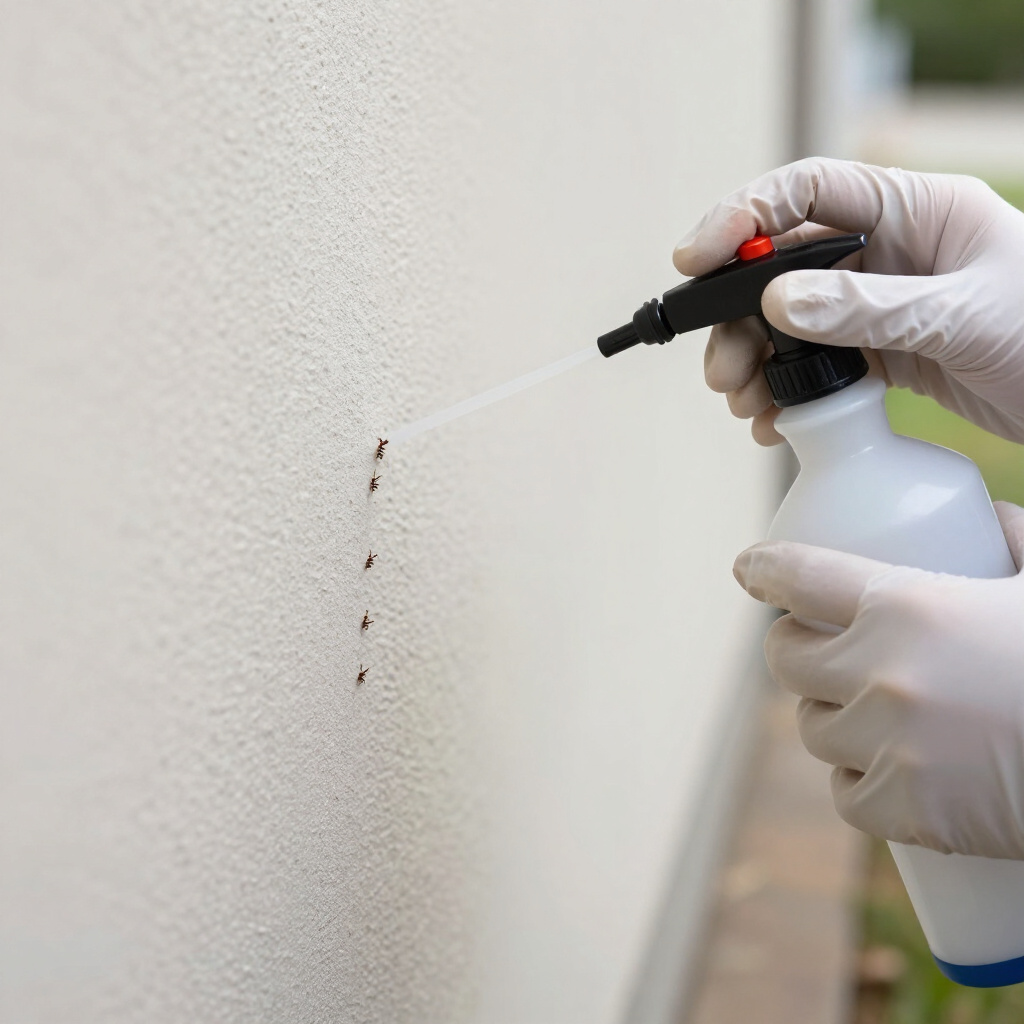
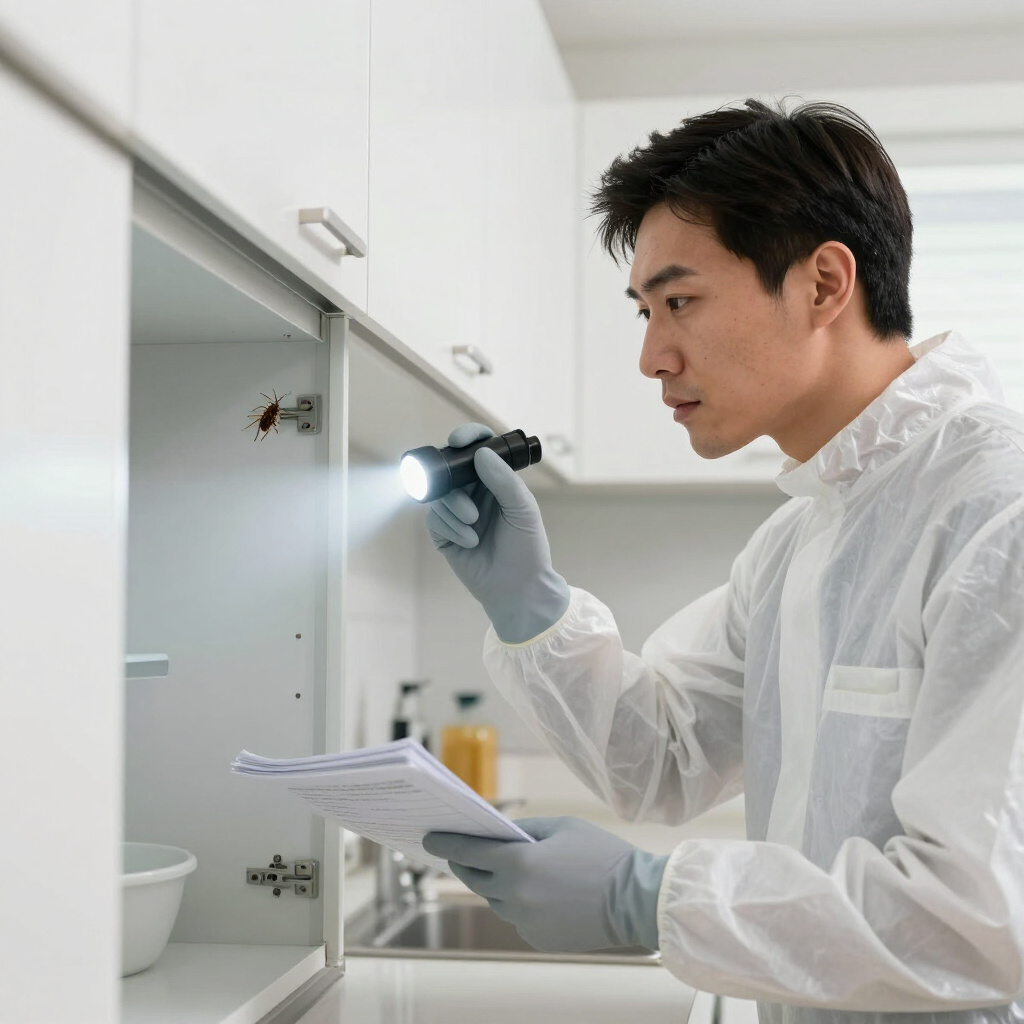
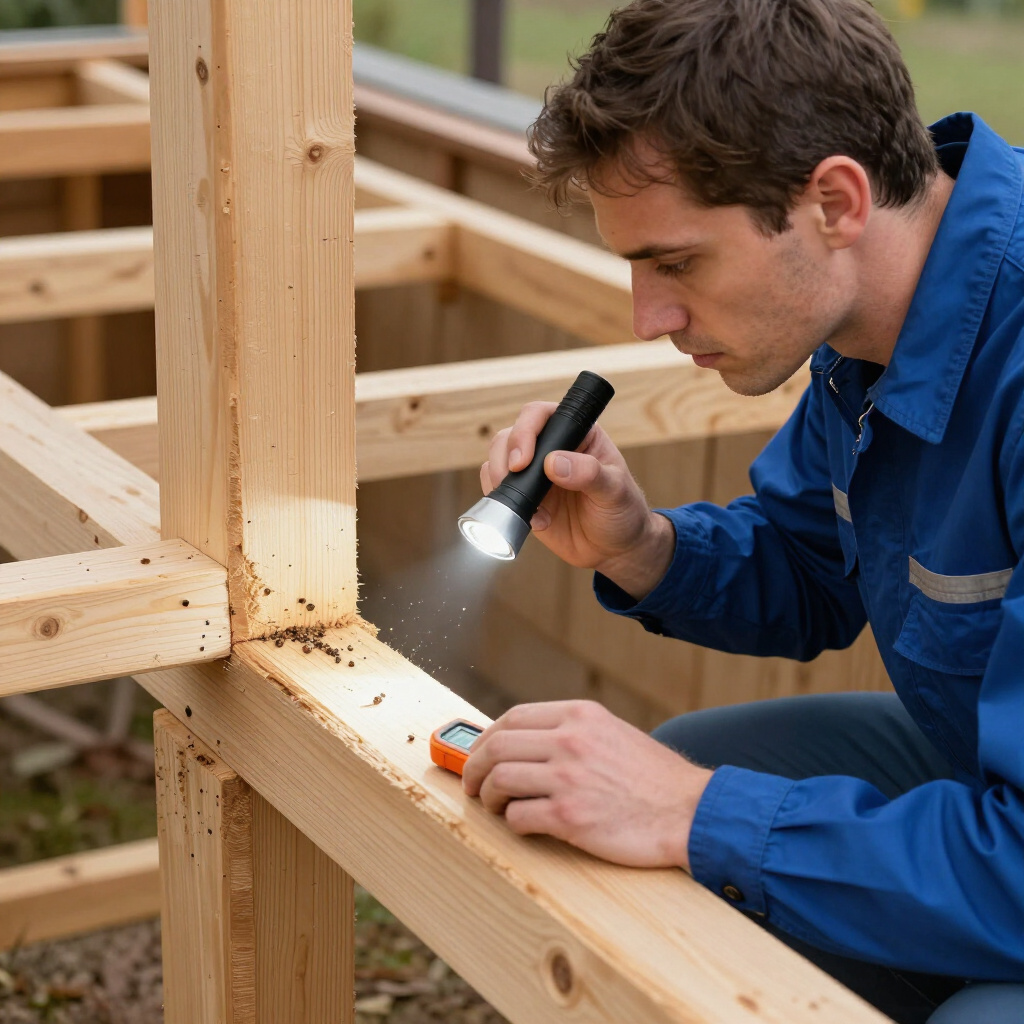
More homeowners than ever are searching for natural pest control methods that actually work—and for good reason. Whether you're worried about pets, children, or simply want fewer chemicals around your living space, going green with pest management doesn't mean accepting unwanted roommates. The key is knowing which natural approaches deliver real results and which ones just smell nice while the ants keep marching in. Let's explore proven, effective strategies that protect your home without relying on synthetic pesticides.
Why Natural Pest Control Methods That Actually Work Matter for Your Home
Natural pest control methods that actually work strike the perfect balance between effectiveness and safety. Synthetic pesticides can linger on surfaces, contaminate indoor air, and pose risks to beneficial insects like pollinators. When you choose proven natural alternatives, you protect your family's health while still maintaining a pest-free environment. The most successful approach combines multiple strategies—prevention, physical barriers, botanical treatments, and biological controls. No single method handles every pest situation, but together they create a robust defense system that rivals conventional treatments. Start with prevention, which remains your most powerful tool. Seal cracks around windows, doors, and utility penetrations with caulk or weatherstripping. Store food in airtight containers and keep counters crumb-free. Fix leaky faucets promptly—many pests need only tiny water sources to thrive. These simple habits eliminate the food, water, and shelter that attract pests in the first place.
Botanical and Mineral-Based Solutions That Deliver Results
When prevention isn't enough, certain plant-derived and mineral products offer genuine pest-fighting power. Diatomaceous earth (DE) stands out as one of the most reliable natural pest control methods. This fine powder consists of fossilized algae with microscopic sharp edges. When crawling insects like ants, cockroaches, and fleas contact food-grade DE, it damages their protective wax coating and causes dehydration. Apply a thin layer behind appliances, along baseboards, and in other pest pathways. Always choose food-grade DE, and avoid breathing the dust during application. Neem oil disrupts insect feeding and reproduction, making it especially effective against garden pests and indoor plant insects like aphids, whiteflies, and spider mites. It works systemically when applied to soil, protecting plants from the inside out. Essential oils show real—but limited—effectiveness. Peppermint oil repels spiders and mice when applied to entry points, though it requires frequent reapplication every 5-7 days. Tea tree and eucalyptus oils demonstrate moderate repellent properties against certain insects. However, essential oils alone rarely eliminate established infestations, so use them as supplementary tools rather than primary treatments. Boric acid, derived from the mineral boron, remains highly effective against cockroaches and ants when used properly. Mix it with a food attractant like sugar or peanut butter, and place in inaccessible areas. It works slowly, allowing pests to carry the bait back to colonies for broader impact.
Physical and Biological Controls Worth Implementing
Sometimes the most natural solution involves no products at all. Mechanical traps work exceptionally well for rodents and certain insects. Snap traps and electronic traps handle mice efficiently. Sticky traps monitor and capture crawling insects, helping you identify problem areas and pest types. For outdoor flying insects, UV light traps with catch containers reduce populations without chemicals. Beneficial nematodes offer biological control for soil-dwelling pests. These microscopic roundwodes prey on grubs, flea larvae, and other destructive insects while remaining harmless to humans, pets, and plants. Apply them to lawns and garden beds during evening hours when UV exposure is minimal. Predatory insects like ladybugs and lacewings control aphids, mites, and scale in garden settings. Purchasing and releasing these helpers supports a balanced ecosystem that naturally suppresses pest populations. Heat treatment eliminates bed bugs and other heat-sensitive pests without chemicals. Professional services raise room temperatures to lethal levels, but you can also use steam cleaners on mattresses, furniture, and cracks where pests hide. Even washing and drying bedding on high heat destroys bed bugs and dust mites effectively.
Key Tips for Maximizing Natural Pest Control Success
Natural methods demand more precision than simply spraying and walking away. Identify before treating. Misidentification leads to ineffective treatment. A solution for carpenter ants differs completely from one for odorous house ants. Take clear photos or capture specimens for proper identification. Be patient and persistent. Natural controls often work more slowly than synthetic alternatives. Boric acid baits may take 1-2 weeks to collapse an ant colony. Consistent reapplication and monitoring beats sporadic heavy treatments. Target applications precisely. Broadcast spraying—even with natural products—wastes material and harms non-target organisms. Apply treatments directly to pest harborage areas, entry points, and travel routes. Combine methods strategically. Pair diatomaceous earth barriers with sealed entry points. Use traps alongside exclusion repairs. Layering complementary approaches fills gaps that single methods leave. Know when to call professionals. Extensive termite damage, large rodent infestations, or persistent bed bug problems may require expert intervention. Many pest control companies now offer integrated pest management programs that prioritize natural and low-toxicity options.
Final Thoughts
Natural pest control methods that actually work are neither myths nor miracle cures—they're practical tools requiring knowledge and commitment. Diatomaceous earth, boric acid, neem oil, physical barriers, and biological controls all earn their place in an effective natural pest management program. Success comes from understanding each method's strengths and limitations, applying them thoughtfully, and maintaining consistent prevention habits. Your home deserves protection that doesn't compromise your family's wellbeing. By implementing these proven natural strategies, you create a healthier living environment while keeping pests firmly outside where they belong.