

There's nothing quite like the sinking feeling of spotting a mouse dart across your kitchen floor or waking up to mysterious bites you can't explain. Household pests aren't just unsettling—they can damage your property, contaminate your food, and even pose health risks to your family. The good news? Most infestations are entirely preventable with the right knowledge and consistent habits. Whether you're dealing with a current problem or want to stay ahead of the curve, understanding which pests are most likely to invade your home—and how to keep them out—is your first line of defense.
Most Common Household Pests and How to Prevent Them
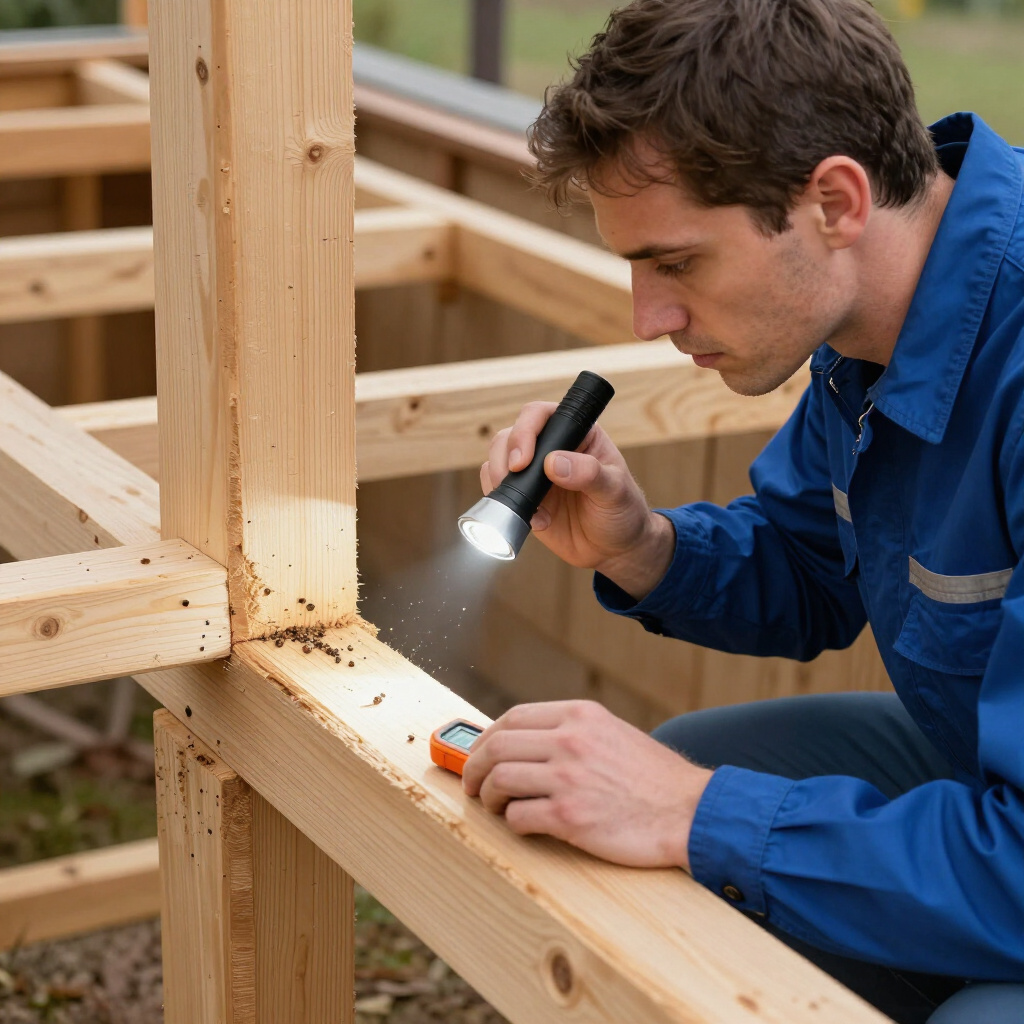
Every region has its unique pest pressures, but certain culprits show up in homes across the country with frustrating regularity. Ants top the list, marching in seemingly endless lines toward any crumb or sticky spill. These persistent foragers can establish colonies with thousands of members, making them particularly difficult to eliminate once they've found a reliable food source. Cockroaches rank among the most dreaded intruders, thriving in warm, humid environments and multiplying rapidly. Their ability to squeeze through impossibly small cracks and survive on minimal resources makes them formidable opponents. Rodents—mice and rats—cause significant damage by gnawing on wires, insulation, and structural materials while spreading disease through their droppings. Termites work silently, often causing extensive damage before homeowners ever notice their presence. Finally, bed bugs have made a dramatic resurgence, hitchhiking into homes through luggage, used furniture, and clothing.
Other frequent offenders include spiders seeking shelter and prey, silverfish damaging books and textiles, and fleas brought in by pets. Seasonal variations also play a role: cluster flies and stink bugs invade in autumn seeking overwintering sites, while mosquitoes and wasps peak during warmer months. Understanding which pests are active in your area during different seasons helps you tailor your prevention efforts effectively.
Prevention Strategies That Actually Work
Effective pest prevention centers on eliminating what pests need most: food, water, shelter, and entry points. Start with your home's exterior. Inspect foundation walls, utility penetrations, and door frames for gaps larger than a quarter-inch—mice can squeeze through spaces as small as a dime. Seal openings with steel wool, copper mesh, or appropriate caulk. Replace damaged weatherstripping and ensure door sweeps make complete contact with thresholds. Screen vents, chimney openings, and attic vents with hardware cloth to block entry while maintaining airflow.
Inside your home, sanitation makes an enormous difference. Store dry goods in airtight glass, metal, or thick plastic containers rather than original packaging. Clean countertops daily, sweep floors regularly, and never leave pet food out overnight. Fix leaky faucets and pipes promptly—many pests can survive far longer without food than without water. Reduce clutter in basements, attics, and garages where pests establish undisturbed harborage. Pay special attention to cardboard boxes, which silverfish and roaches find particularly attractive; switch to plastic storage bins when possible.
Moisture control deserves special emphasis. Run dehumidifiers in damp basements and crawl spaces, maintaining humidity below 50% when feasible. Ensure gutters direct water away from your foundation, and grade soil to prevent pooling near walls. Proper ventilation in bathrooms and kitchens eliminates condensation that attracts multiple pest species.
Your yard and landscaping create either a welcoming buffer zone or a pest highway directly to your home. Maintain a vegetation-free zone of at least six inches around your foundation—mulch and dense plantings provide ideal harborage for many pests. Trim tree branches and shrubs so they don't contact your roof or walls, eliminating natural bridges. Store firewood at least twenty feet from your home and elevate it off the ground. Keep garbage in sealed containers with tight-fitting lids, and position compost bins away from your house.
Key Tips for Long-Term Success
Prevention isn't a one-time project but an ongoing commitment. Develop seasonal inspection routines: check for new gaps after winter freeze-thaw cycles, examine screens before spring insect activity peaks, and verify weatherstripping before cold weather drives rodents indoors. When traveling, inspect hotel mattresses and headboards for bed bugs, and launder all clothing in hot water immediately upon returning home—prevention beats eradication every time.
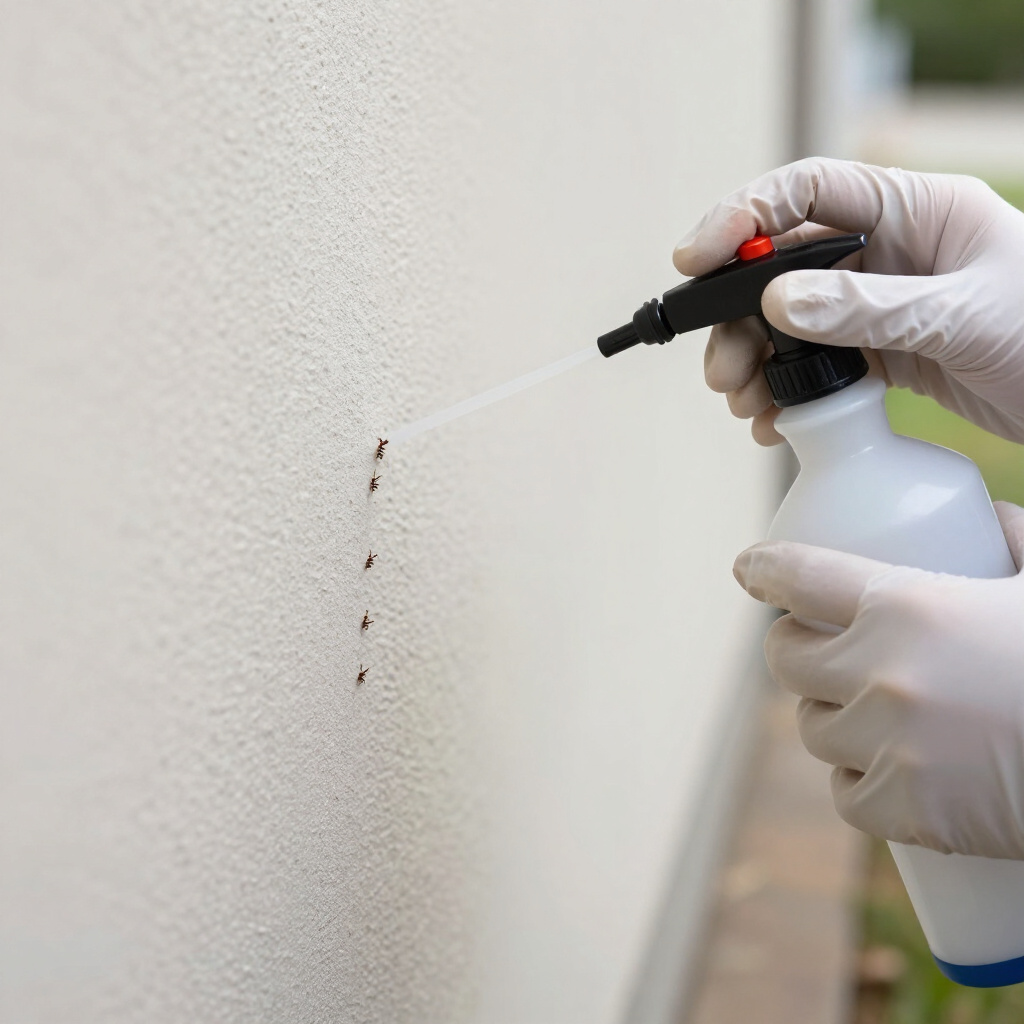
Be strategic about DIY treatments. Over-the-counter sprays often scatter pests rather than eliminating them, and improper pesticide application can harm beneficial insects, pets, and family members. For minor ant trails, bait stations targeting the colony typically outperform contact sprays. Sticky traps placed strategically help monitor for emerging problems before they escalate. However, recognize when professional intervention becomes necessary: recurring infestations, structural damage signs, or health-sensitive situations involving venomous pests or severe allergies warrant expert assessment.
Consider your home's unique vulnerabilities. Older homes with stone foundations face different challenges than newer constructions with slab foundations. Homes near wooded areas or water sources experience different pest pressures than urban dwellings. Tailor your approach accordingly rather than following generic advice blindly.
Finally, coordinate with neighbors when appropriate. Shared walls in townhouses and apartments mean pests ignored next door may eventually reach you. Community-wide efforts addressing standing water or improper garbage storage benefit everyone.
Final Thoughts
Most common household pests and how to prevent them comes down to vigilance, consistency, and understanding pest biology. No home can be made entirely impermeable, but you can dramatically reduce your risk by making your property fundamentally unattractive to invaders. The investment in prevention—whether time spent sealing entry points or money allocated to proper storage solutions—pales in comparison to the cost and stress of treating established infestations and repairing pest-related damage. Start with one or two changes this week, build sustainable habits, and enjoy the peace of mind that comes from knowing you've done your part to protect your home and family.