


Ants are among the most persistent household pests, and once they discover a food source in your home, they can seem impossible to stop. The good news? Most ant invasions are entirely preventable with the right approach. You don't need harsh chemicals or expensive treatments to keep these tiny invaders at bay. By understanding why ants enter your home and taking a few proactive steps, you can protect your kitchen, pantry, and living spaces year-round.
How to Prevent Ants From Invading Your Home Through Proper Sanitation
The single most effective way to deter ants is to eliminate what attracts them in the first place: food and water. Ants leave scent trails for colony members to follow, so even small crumbs can lead to a full-scale invasion.
Start in your kitchen, where ants are most active. Wipe down countertops daily with a vinegar-based solution, which removes both food residue and the pheromone trails ants use to navigate. Store all dry goods—sugar, flour, cereal, and pet food—in airtight containers with tight-fitting lids. A chip clip on a bag of sugar won't cut it; ants can squeeze through surprisingly small openings.
Don't overlook less obvious food sources. Clean under appliances where crumbs accumulate, empty trash bins regularly, and rinse recyclables before placing them in bins. Pet food bowls should be picked up after feeding times, and water bowls should be refreshed frequently to avoid standing water that attracts thirsty ants.
In bathrooms and basements, address moisture issues promptly. Fix leaky faucets, seal around tubs and sinks, and use a dehumidifier in damp areas. Some ant species are drawn to moisture as much as food, so keeping your home dry removes another key attractant.
Seal Entry Points Before Ants Find Them
Ants can enter through gaps as small as 1/32 of an inch—about the thickness of a credit card. A thorough inspection of your home's exterior and interior will reveal numerous potential access points that need sealing.
Walk around your home's foundation and examine windows, doors, and utility penetrations. Caulk cracks in foundation walls, seal gaps around window frames, and install weatherstripping under doors. Pay special attention to areas where utilities enter your home: pipes, cables, and HVAC lines often have generous gaps around them that ants exploit freely.
Inside, inspect baseboards, electrical outlets, and kitchen cabinetry for cracks or gaps. Use silicone caulk for most sealing jobs, as it remains flexible and durable over time. For larger openings around pipes, consider using steel wool combined with caulk—this deters both ants and rodents.
Don't forget your yard. Trim tree branches and shrubs so they don't touch your home's exterior, as these serve as natural bridges for foraging ants. Keep mulch and dense vegetation at least 12 inches from your foundation, and consider replacing wood mulch with stone or rubber alternatives near your home's perimeter.
Key Tips for Long-Term Ant Prevention
Beyond the fundamentals of sanitation and sealing, these additional strategies will strengthen your defenses against persistent ant problems.
Use natural deterrents strategically. Certain scents repel ants effectively. Sprinkle food-grade diatomaceous earth along baseboards and entry points—this fine powder damages the waxy coating on ants' bodies, causing dehydration. Peppermint oil, cinnamon, and coffee grounds placed near known entry points can also discourage foraging. Reapply these natural options after cleaning or rain exposure.
Manage outdoor attractants. Your yard may be harboring ant colonies that eventually send scouts indoors. Clean up fallen fruit from trees promptly, keep garbage cans sealed and away from the house, and avoid overwatering lawns that creates ideal nesting conditions. If you notice large ant mounds near your foundation, address them before they become an indoor problem.
Identify and address the specific ant species. Different ants require different approaches. Odorous house ants are attracted to sweets and moisture, while pavement ants prefer greasy foods. Carpenter ants indicate moisture-damaged wood and require structural attention. If you're seeing large black ants or noticing sawdust-like debris, you may need professional evaluation for carpenter ant activity.
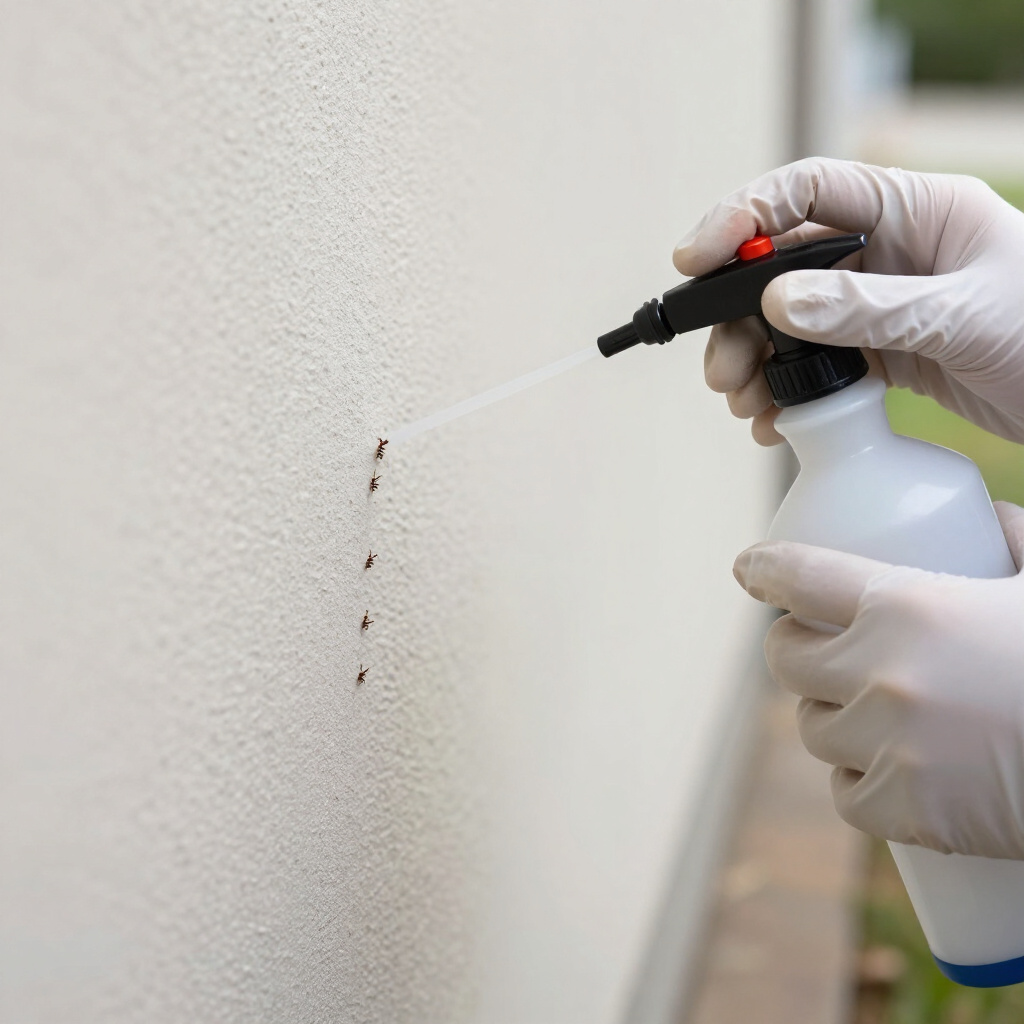
Be cautious with DIY baits and sprays. Over-the-counter ant sprays often kill visible workers but fail to eliminate the colony—and may even cause it to split into multiple nests. Baits can be effective when placed correctly, but improper use wastes time and allows infestations to grow. When in doubt, targeted professional treatment is more efficient than trial-and-error DIY methods.
Final Thoughts
Preventing ants from invading your home comes down to consistency and attention to detail. The most effective strategy combines rigorous sanitation to remove attractants, thorough sealing to block access, and ongoing vigilance to catch problems early. No single tactic works alone; it's the combination that creates an environment where ants simply don't find what they need.
If you've implemented these prevention measures and still notice ant activity, the colony may be established within your home's structure or a neighboring property. Professional pest control can identify hidden nests, apply targeted treatments, and provide customized recommendations for your specific situation. The investment in prevention—and prompt professional help when needed—saves considerable frustration and protects your home from these remarkably determined pests.