

There's something uniquely unsettling about walking into a room and spotting a spider dangling from the ceiling—or worse, finding one unexpectedly in the shower. While spiders play a valuable role outdoors by controlling insect populations, most homeowners prefer to keep that contribution outside where it belongs. The good news? Keeping spiders out of your house is entirely achievable with a strategic, layered approach that addresses why they're coming inside in the first place.
How to Keep Spiders Out of Your House by Sealing Entry Points
Spiders don't need much space to slip indoors. A gap the width of a pencil is plenty for many common species. Your first and most effective line of defense is making your home physically difficult to penetrate.
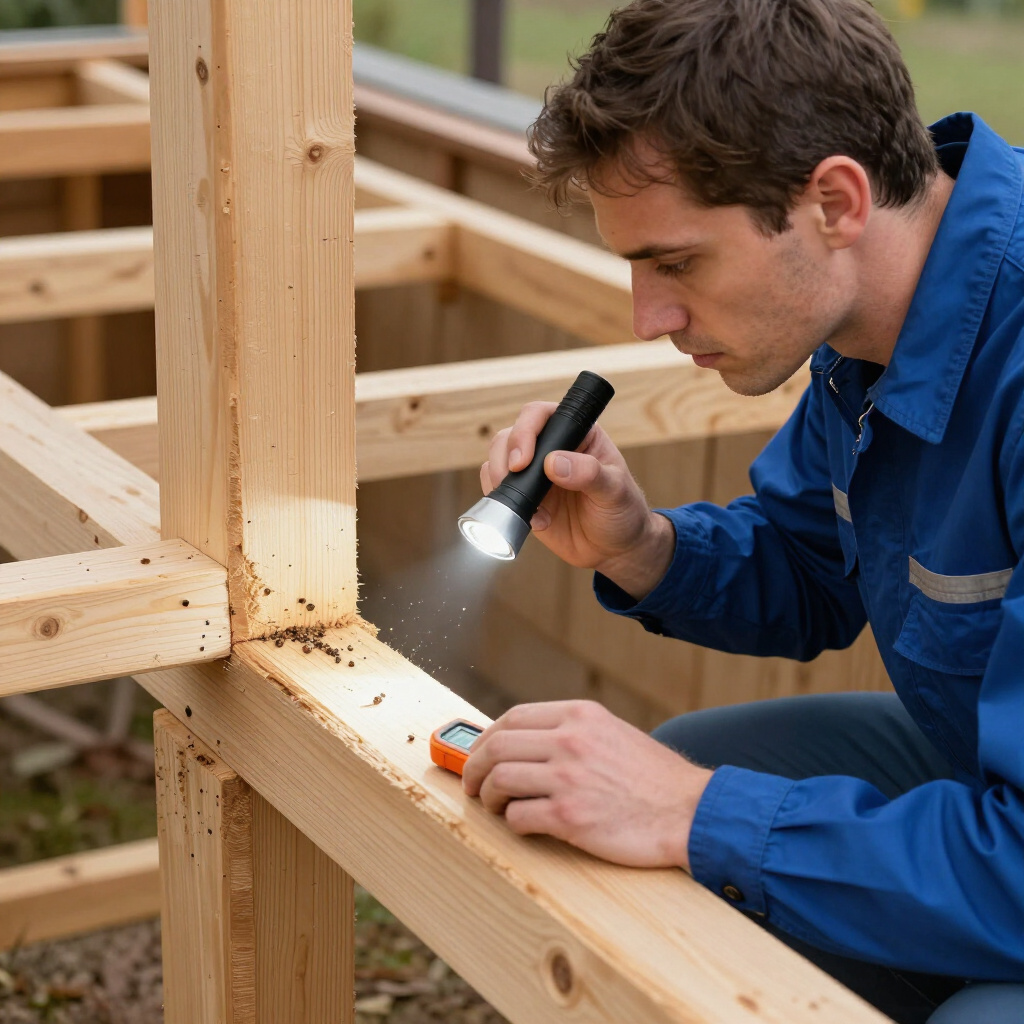
Start with a thorough inspection of your home's exterior, paying special attention to foundation cracks, gaps around utility penetrations, and spaces beneath doors. Weatherstripping around doors and windows degrades over time, creating easy access points that spiders readily exploit. Replace worn strips and install door sweeps on exterior doors—garage doors included.
Don't overlook your home's upper levels. Spiders can enter through damaged soffits, vents without screens, and gaps where rooflines meet walls. Use caulk for smaller cracks and expandable foam for larger gaps around pipes and wiring. Steel wool stuffed into openings before sealing adds extra protection and deters rodents that might widen gaps further.
Window screens should be intact with tight-fitting frames. Even small tears become highways for spiders and the insects they pursue. Repair or replace damaged screens promptly, and consider fine mesh screens for areas with persistent spider activity.
Reduce the Insects That Attract Spiders
Spiders enter homes for one primary reason: food. Where flying and crawling insects gather, spiders follow. Managing your home's insect population removes the buffet that keeps spiders sticking around.
Outdoor lighting significantly influences insect activity near your home. Standard white bulbs attract moths, flies, and other nighttime insects that spiders prey upon. Switch to yellow or amber LED bulbs, which are far less attractive to insects while still providing adequate illumination for safety and aesthetics. Position lights away from doorways when possible, drawing insects—and hunting spiders—away from entry points.
Inside, address moisture issues promptly. Damp basements, leaky pipes, and humid bathrooms support silverfish, centipedes, and other moisture-loving prey species. Run dehumidifiers in chronically damp spaces, fix plumbing leaks quickly, and ensure bathrooms vent properly. The drier your home, the fewer insects you'll harbor.
Food storage and waste management matter too. Keep kitchens clean, store pantry goods in sealed containers, and take garbage out regularly. Fruit bowls on counters attract fruit flies, which in turn attract spiders seeking easy meals. Even pet food left out overnight can draw ants and other spider prey.
Modify Your Landscape and Exterior
The zone immediately surrounding your home plays a surprisingly large role in spider management. Spiders thrive in undisturbed, cluttered environments with abundant hiding spots. The closer these ideal habitats sit to your foundation, the more likely spiders are to eventually wander indoors.
Create a vegetation-free buffer of at least twelve inches around your foundation. This isn't about aesthetics—it's about eliminating bridges spiders use to access your home's exterior walls. Trim shrubs and tree branches so nothing touches the house. Woodpiles, compost bins, and rock piles should live well away from walls, ideally twenty feet or more.
Mulch is a favorite spider habitat, providing moisture retention and countless hiding spots. Consider inorganic alternatives like stone or rubber mulch near the foundation, or keep organic mulch layers thin and frequently disturbed. Leaf litter and accumulated debris against the house creates perfect conditions for spider populations to flourish unchecked.
Outdoor storage deserves attention too. Seasonal items in garages, sheds, and porches should live in sealed plastic containers rather than cardboard boxes that spiders can easily infiltrate and web within. Before bringing any outdoor item inside—firewood, camping gear, potted plants—inspect it carefully for stowaway spiders and their egg sacs.
Key Tips for Ongoing Spider Prevention
Consistency separates homes that stay spider-free from those fighting recurring invasions. Incorporate these practices into your regular household maintenance routine.
Vacuum thoroughly and regularly. Your vacuum is arguably your best indoor spider control tool. Suction removes live spiders, egg sacs, and the webbing they use to establish territory. Pay special attention to corners, ceiling junctions, behind furniture, and closet floors—favorite spider real estate. Dispose of vacuum contents outdoors immediately after each cleaning session.
Declutter relentlessly. Spiders need undisturbed spaces to build webs and hide. Piles of newspapers, cardboard boxes, unused clothing, and storage items create ideal habitat. The less clutter, the fewer harborages available. This principle applies particularly to basements, attics, garages, and spare rooms that see infrequent human activity.
Use essential oils judiciously. Peppermint, tea tree, eucalyptus, and citrus oils have demonstrated mild spider-repellent properties. While not a standalone solution, adding these scents to your prevention routine may provide supplementary deterrence. Mix fifteen drops of essential oil with water in a spray bottle and apply to baseboards, window sills, and known spider pathways weekly.
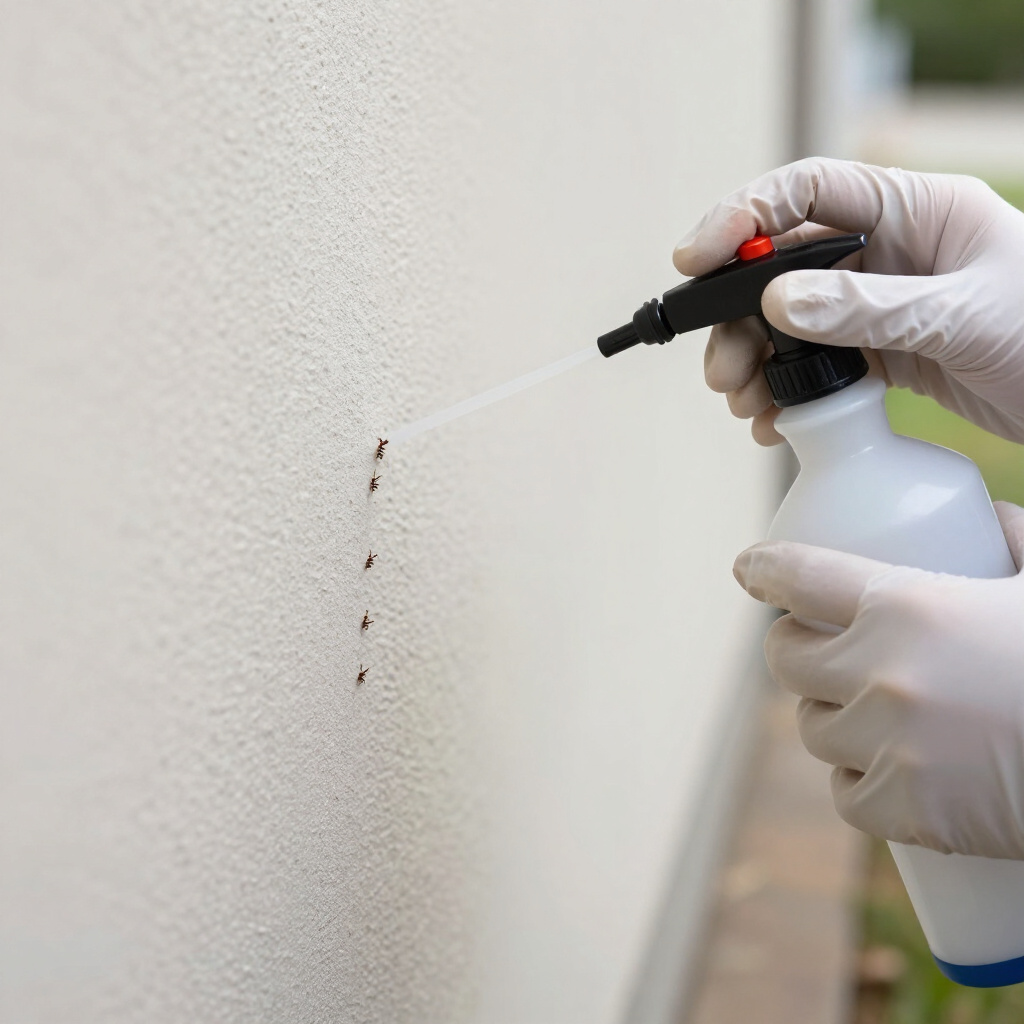
Consider professional perimeter treatment. For homes in heavily wooded areas or with persistent spider problems, exterior insecticide applications create a chemical barrier that significantly reduces spider and prey insect entry. Modern formulations are precisely targeted and environmentally responsible when applied by licensed professionals who understand proper placement and timing.
Final Thoughts
Learning how to keep spiders out of your house isn't about declaring war on arachnids—it's about making your home inhospitable to them while respecting their ecological role outdoors. The most successful approach combines physical exclusion, environmental modification, and consistent maintenance rather than relying on any single tactic.
Start with sealing entry points and reducing attractants, then layer in landscape management and regular cleaning habits. Results compound over time as you interrupt the conditions that allow spider populations to establish. If despite your best efforts spiders continue appearing in troubling numbers, professional pest control can identify hidden access points or underlying issues you might have missed.
A spider-free home is an achievable goal for every homeowner willing to put in thoughtful, ongoing effort. The peace of mind that comes from knowing your living spaces won't deliver unexpected eight-legged surprises is well worth the investment.