
When ants march across your kitchen counter or a wasp nest appears under your eaves, you're faced with a decision: grab a spray can from the hardware store, or pick up the phone and call in the pros. Both approaches have their place, and the right choice depends on the pest you're dealing with, the severity of the problem, and your comfort level with handling chemicals and creatures. Let's break down what you need to know to make a smart, safe decision for your home and family.
DIY Pest Control vs Hiring a Professional: What You Can Handle Yourself
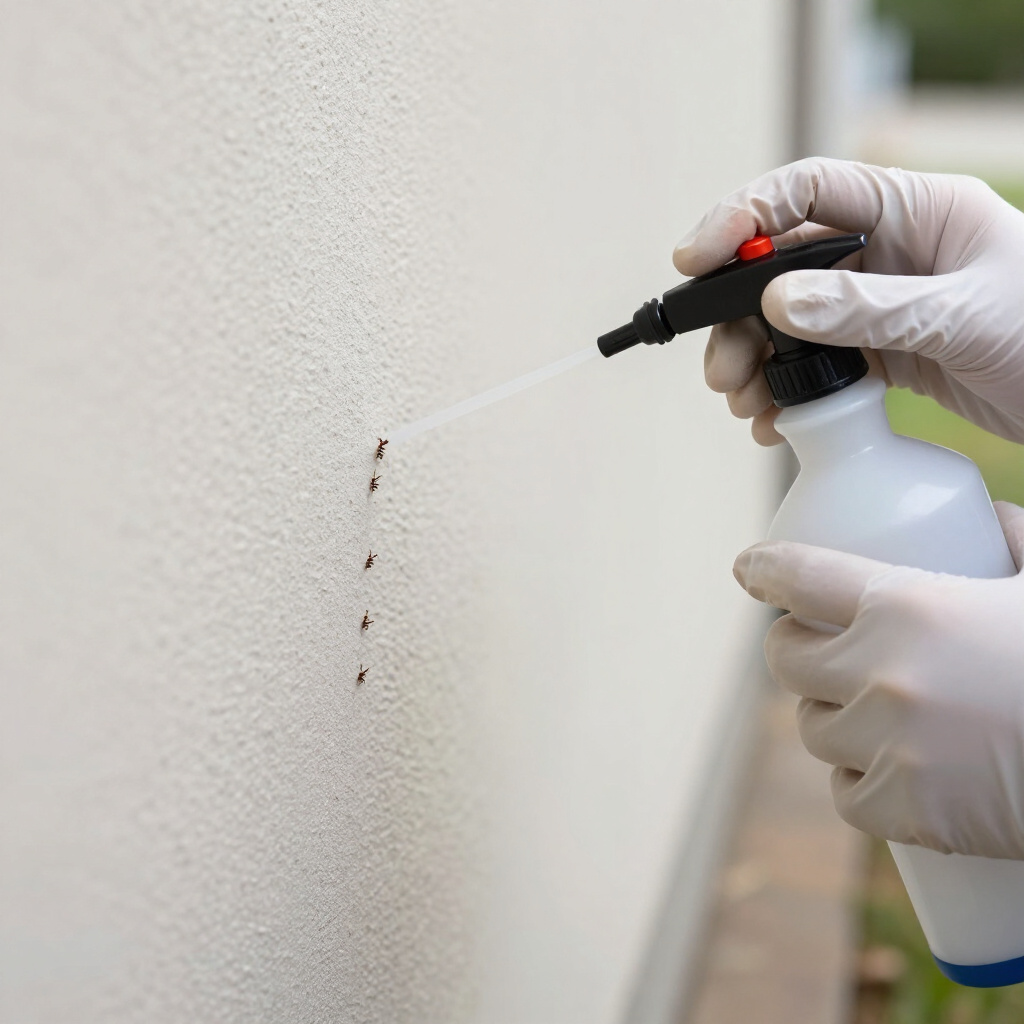
For minor, straightforward pest issues, the do-it-yourself route can be effective and budget-friendly. Common scenarios where DIY pest control vs hiring a professional leans toward the home approach include occasional invaders like a few sugar ants, a single spider in the garage, or fruit flies hovering around overripe bananas.
Successful DIY pest control starts with proper identification. You need to know what you're fighting to choose the right product and apply it correctly. Many over-the-counter sprays target specific insects, and using the wrong one wastes money and time. Read labels thoroughly—look for active ingredients, application sites, and safety precautions. Products containing boric acid work well for ants and cockroaches when placed in cracks and crevices, while diatomaceous earth can deter crawling insects in dry areas.
Prevention forms the backbone of any good DIY approach. Seal entry points with caulk, repair torn screens, eliminate standing water, and store food in airtight containers. These mechanical controls often solve problems without chemicals and keep new pests from arriving. Traps, whether sticky boards for rodents or pheromone traps for pantry moths, let you monitor activity and catch intruders without widespread pesticide use.
However, DIY methods have real limits. Most consumer products offer temporary relief rather than elimination. They address visible pests but rarely reach nests, colonies, or hidden breeding sites. You might kill the ants you see while the queen continues producing hundreds of eggs behind your walls.
When Professional Pest Control Becomes the Smarter Investment
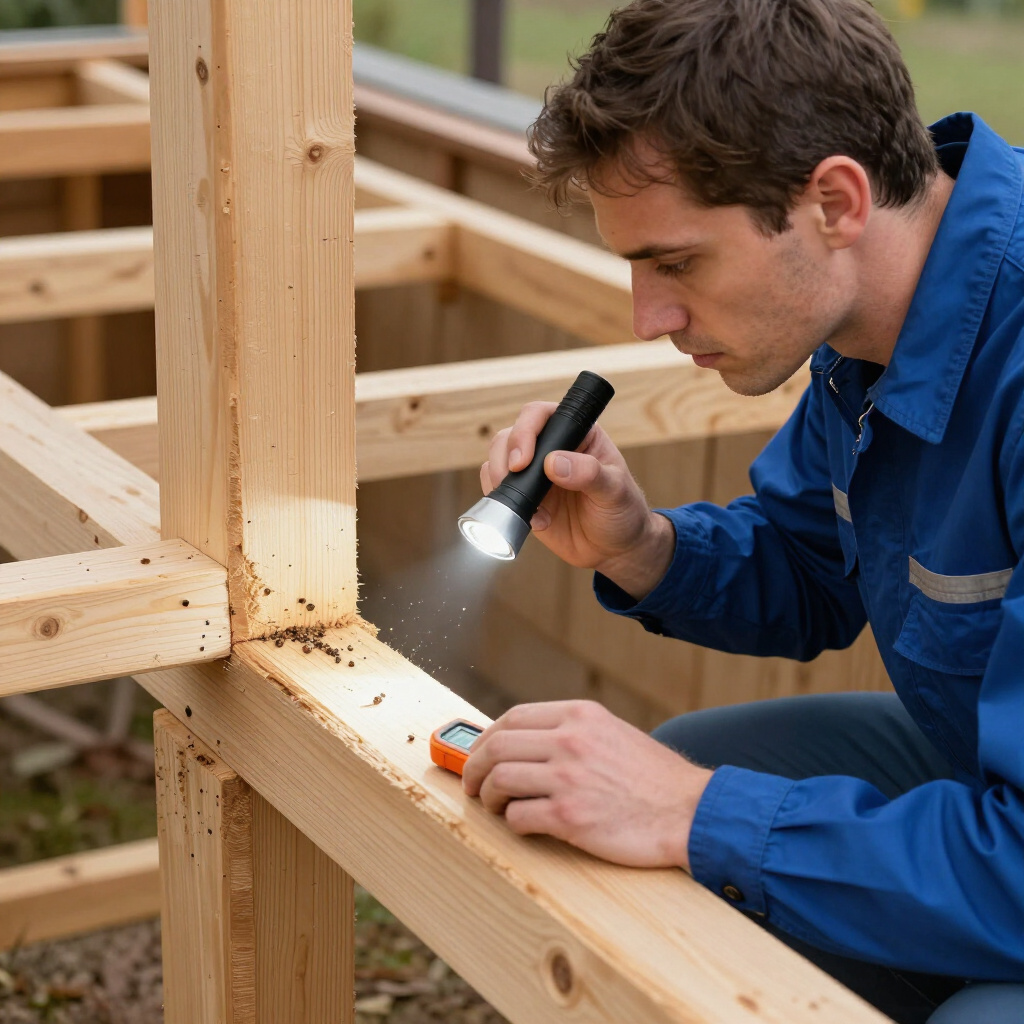
Certain situations demand expertise that goes beyond what store-bought solutions provide. Termites top this list—these destructive insects cause structural damage that can cost tens of thousands to repair, yet they often remain hidden until significant harm occurs. Professionals use specialized equipment like moisture meters, acoustic detectors, and thermal imaging to locate colonies and apply targeted treatments such as bait systems or soil barriers that protect your entire structure.
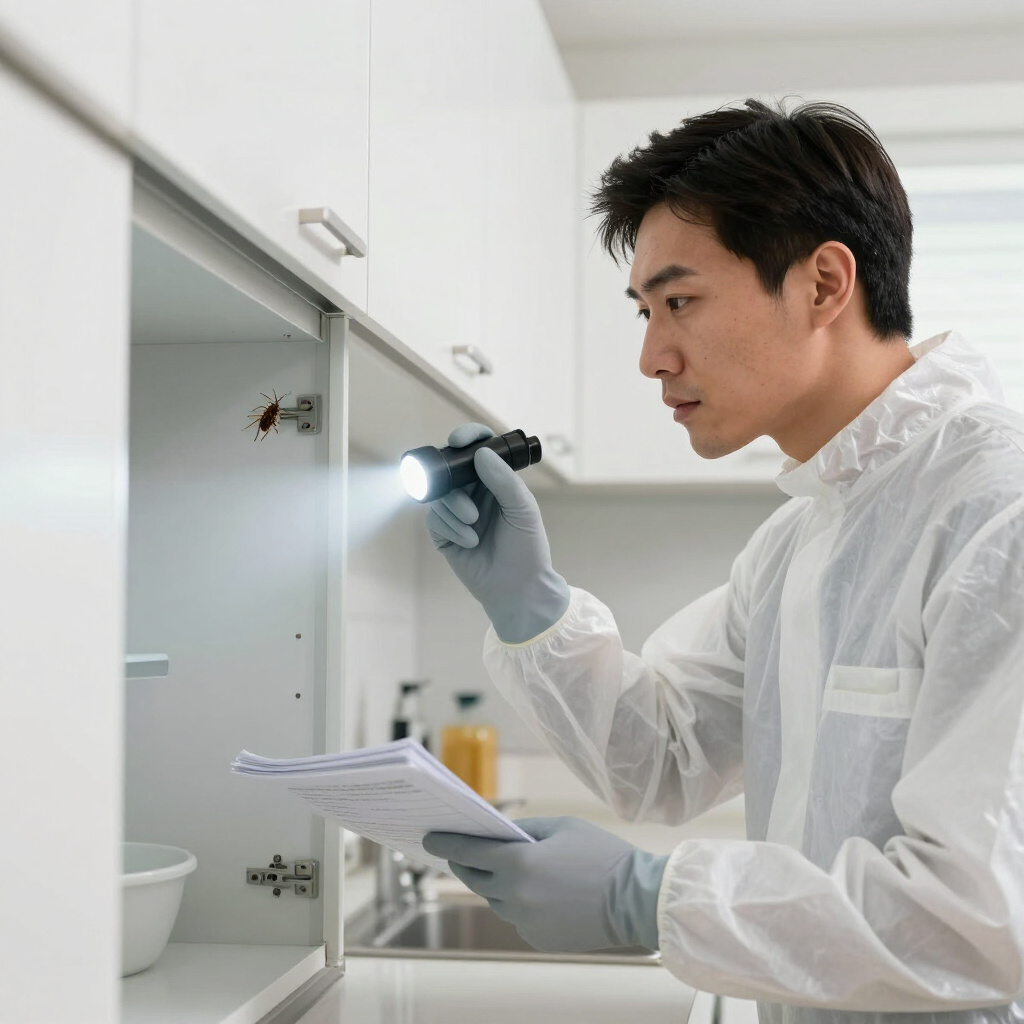
Bed bugs represent another challenge where DIY pest control vs hiring a professional strongly favors expert help. These resilient pests hide in mattress seams, electrical outlets, and baseboard cracks. Over-the-counter foggers and sprays typically scatter them rather than eliminate them, making the infestation worse. Pest management professionals combine heat treatment, insecticide applications, and monitoring to systematically eradicate bed bugs from all life stages.
Stinging insects pose safety risks that justify professional intervention. Disturbing a yellow jacket nest in a wall void or a hornet colony in a tree can trigger aggressive defensive attacks, dangerous for anyone—especially those with allergies. Professionals possess protective equipment and application tools that allow safe removal from difficult locations.
Recurring or widespread infestations also signal the need for expert assessment. If you've tried multiple DIY approaches and pests keep returning, there's likely an underlying cause you haven't identified: a hidden moisture problem, structural entry points, or an external attractant. Professionals bring diagnostic skills to find and fix these root issues rather than treating symptoms repeatedly.
Licensed pest control technicians undergo extensive training in pesticide safety, integrated pest management principles, and species-specific biology. They understand which products work for particular pests, how to apply them to minimize environmental impact, and how to comply with regulations that govern pesticide use. This expertise protects your family, pets, and local ecosystem from improper chemical exposure.
Key Tips for Making Your Decision
Start with honest evaluation. How extensive is the problem? One or two mice suggests traps might work; droppings throughout the kitchen indicates a larger population needing professional intervention. Consider your own constraints too—do you have time to research, purchase, apply, and monitor treatments? Are you comfortable handling pesticides near food preparation areas or children's play spaces?
When comparing costs, look beyond the initial price tag. A $15 can of spray seems cheaper than a professional service call, but factor in repeated purchases, your time, potential property damage from unresolved infestations, and health costs from bites, stings, or allergic reactions. Professional services often include guarantees and follow-up visits that provide lasting value.
If you choose DIY, prioritize safety. Never mix different pesticide products, as chemical combinations can create toxic gases. Apply products only to labeled sites—indoor formulas differ from outdoor ones. Keep all pesticides locked away from children and pets, and dispose of empty containers according to local guidelines.
For professional services, ask questions before hiring. Verify licensing and insurance. Request information about their treatment approach—reputable companies explain their methods and avoid pressuring you into unnecessary services. Ask about integrated pest management practices that emphasize inspection, monitoring, and physical controls alongside judicious chemical use when needed.
Consider seasonal timing too. Spring swarms of termites or fall rodent migrations may warrant preventive professional treatments, while a single wasp nest in summer might be a one-time DIY removal. Some homeowners maintain annual pest control contracts for peace of mind and proactive protection, while others prefer addressing issues as they arise.
Final Thoughts
DIY pest control vs hiring a professional isn't an either-or proposition for most homeowners—it's about matching the right approach to each situation. Tackle minor, identifiable problems yourself with proper products and preventive habits. Recognize when pests threaten your health, your home's structure, or your peace of mind, and bring in qualified experts without hesitation.
The most successful pest management combines vigilance and wisdom. Stay alert to early signs of problems, act promptly before small issues grow, and know when your own efforts reach their limits. Whether you're sealing a crack, setting a trap, or welcoming a technician through your door, you're taking important steps to protect the place where your life happens. That investment—of time, money, or both—always pays dividends in comfort, safety, and the quiet satisfaction of a home free from unwanted guests.